Recent Post

Act 3 BG3 Quest Order Guide for a Smooth Final Chapter ...
Navigating the sprawling streets of Baldurs Gate during the final act can feel like an overwhelming logistical challenge for players looking to conclude their journey cleanly. The sheer volume of concurrent storylines, companion conclusions, and overlapping main objectives often creates a sense of narrative confusion if approached at random. Establishing a deliberate progression route allows you to preserve the natural pacing of the story while ensuring no crucial allies are accidentally abandoned along the way.
Securing Initial Footholds in Rivington and the Outer City
Your arrival at the outskirts of the metropolitan area provides a perfect testing ground to gather valuable gear and establish critical character levels before tackling the main threats. Prioritizing local investigations, such as the open hand temple murders and checking in on the Gur camp, naturally introduces you to the complex underground factions operating nearby. Completing these minor local tasks first guarantees your party gains the necessary experience to withstand the sudden difficulty spikes waiting inside the city gates.
Furthermore, managing the early companion requests in this transitional area ensures that individual character arcs align properly with later narrative choices. Speaking with the local refugees and coordinating with lingering associates helps outline the massive stakes involved in the upcoming political struggles. Rushing directly into the urban center can permanently lock out these preliminary micro-narratives, making a thorough clearing of the outer region highly advisable.
Resolving Companion Dilemmas and High Stakes Side Quests
Once you cross into the lower city proper, focusing on the personal growth and deep internal conflicts of your party members prevents premature final boss triggers. Tackling localized objectives like the House of Grief, Astarions ancestral confrontation, and investigating the fireworks factory allows characters to achieve proper closure. These narratives offer some of the most profound roleplaying moments in the game while equipping your party with legendary armor pieces.
It is equally important to balance these personal journeys with larger tactical goals that gradually weaken the absolute leaders controlling the city. Saving the gondians at the steel watch foundry or infiltrating the mysterious counting house provides vital strategic advantages that reshape the battlefield landscape. Taking the time to explore these avenues ensures you do not feel rushed when the overarching conflict inevitably reaches its absolute boiling point.
Dismantling the Chosen Leaders Before the Grand Climax
The true core of the final chapter involves neutralizing the remaining netherstone keepers who hold the ultimate fate of the region in their hands. Approaching these two major adversaries requires a careful evaluation of your current alliance agreements and immediate survival threats. Dealing with the unstable machinations of Orin within the subterranean temple usually serves as an excellent starting point, especially if companion hostages are actively on the line.
After addressing the immediate threat beneath the surface, turning your complete attention toward Gortash inside Wyrms Rock fortress allows you to dismantle the mechanical military infrastructure seamlessly. This strategic order prevents sudden narrative bottlenecks and lets you utilize the alliances forged during previous companion side quests. Entering the final sequence with both leaders cleared guarantees a highly organized and emotionally satisfying pathway to the ultimate conclusion.

Why Simple Games Can Create Powerful Moments Of Suspense ...
Modern game developers often assume that complex narratives and intricate graphics are required to keep audiences fully engaged over time. However, many of the most gripping digital experiences rely on remarkably straightforward structural rules to generate profound moments of anticipation. This article examines why minimalism in game design frequently results in unparalleled tension and emotional investment from the player community.
The Psychological Mechanism of Limited Information
When a game strips away unnecessary distractions, the human brain naturally focuses entirely on the few visible variables. This intense concentration amplifies the perceived importance of every small change or delayed outcome during the session. As a result, even a basic mechanical shift can trigger a sudden burst of neurological activity that heightens feelings of excitement.
Psychologists have long noted that uncertainty combined with simplicity creates a highly sustainable form of mental engagement. Because players are not overwhelmed by complex point conversions, they can immerse themselves fully in the unfolding drama of the moment. This focused state of mind transforms a straightforward countdown or a binary choice into an incredibly powerful emotional peak.
How Minimalist Rules Amplify Strategic Risk
In titles with complex mechanics, a single mistake can often be corrected by utilizing various alternative features or character abilities. Simple games, however, leave no room for error because their core frameworks are completely transparent. Every decision carries a distinct weight, making the period immediately following an action feel exceptionally tense.
This structural clarity ensures that players understand exactly what is at stake during a high-stakes turn. For individuals exploring platforms like the m88 slot login portal, this direct relationship between choice and outcome provides immediate psychological stimulation. The lack of hidden layers allows participants to fully appreciate the dramatic tension built into each interactive attempt.
The Value of Immediate Visual Feedback
Simple game architectures frequently rely on bold, uncluttered user interfaces to communicate progress and final results. Without a cluttered display, strategic animations and sudden color shifts have a much larger impact on the observer. This immediate visual feedback ensures that the transition from suspense to disclosure achieves its maximum psychological effect.
Furthermore, clean interface designs prevent the fatigue that often accompanies long sessions in more convoluted environments. When a participant can see their exact status at a glance, the mental build-up before a reveal becomes much more acute. This perfect balance of visual clarity and mechanical suspense turns standard interactions into unforgettable entertainment milestones.
Why Uncluttered Frameworks Stand the Test of Time
While massive interactive blockbusters often lose their novelty after a few seasons, stripped-down chance mechanics remain popular for generations. The human mind possesses a natural fascination with straightforward mystery, which explains why basic loops hold such a powerful grip on our global culture. By prioritizing pure tension over cinematic fluff, developers guarantee that the core experience remains consistently vibrant.
Ultimately, the true essence of an immersive experience lies in what happens within the player mind before the final outcome is revealed. By removing excess layers, simple games maximize this internal countdown, turning brief pauses into high-energy spectacles. This ongoing ability to turn minimal rules into massive excitement ensures their permanent place in the digital entertainment landscape.
Why Historical Baccarat Rules Still Spark Curiosity Today ...
The enduring appeal of baccarat spans centuries, evolving from private aristocratic gatherings into a staple of modern gaming. While contemporary players are accustomed to highly automated versions, the intricate mechanics of historical rule variations continue to captivate historians and gaming enthusiasts alike. Exploring these older structures reveals a complex landscape of player agency and shared social responsibility that differs significantly from today's fast-paced casino floors.
The Appeal of High Society French Salons
During the nineteenth century, French noblemen embraced regional variants that prioritized community interaction over rapid outcomes. In settings where Chemin de Fer and Baccarat Banque flourished, players actively made strategic decisions regarding whether to draw a third card. This tactical autonomy transformed a simple mathematical comparison into a psychological duel between participants.
The rigid social etiquette of these exclusive rooms demanded quiet observation and mutual trust among the seated players. Unlike modern variations where the house manages all financial liabilities, historical tables relied on a decentralized structure where individuals took turns backing the game capital. This setup created a shared vulnerability that elevated the emotional stakes of every round dealt.
Active Engagement and True Player Agency
In older formats, the role of the banker carried immense prestige alongside substantial financial risks. The person holding the bank was entirely responsible for covering the collective wagers of the opponents sitting at the table. This mechanical design forced participants to closely study the behavioral patterns and tactical tendencies of their peers before committing resources.
Modern enthusiasts who wish to contrast these historic operational models with contemporary digital options can utilize an m88 login mobile platform to explore current table layouts. While digital systems handle calculations automatically, understanding the origin of these rule structures provides a deeper appreciation for the gameplay. The shift from human-controlled banking to automated casino tracking marks a major milestone in entertainment history.
The Logic Behind Traditional Card Calculations
Ancient baccarat rules operated on a rigorous mathematical framework that stripped away complex point accumulations in favor of a modulo ten system. Face cards held no value, and the tens digit of any cumulative total was routinely discarded to determine the final score. This elegant reduction system allowed players to calculate hand values mentally without relying on digital shortcuts.
Achieving an immediate resolution with a natural total of eight or nine from the initial deal was considered the ultimate realization of luck and strategy. These foundational parameters ensured that despite the presence of active tactical choices, the element of pure chance remained central to the experience. The harmonious balance between mathematical predictability and sudden twists continues to intrigue modern analysts studying game design.
Why Historical Variations Persist in Cultural Memory
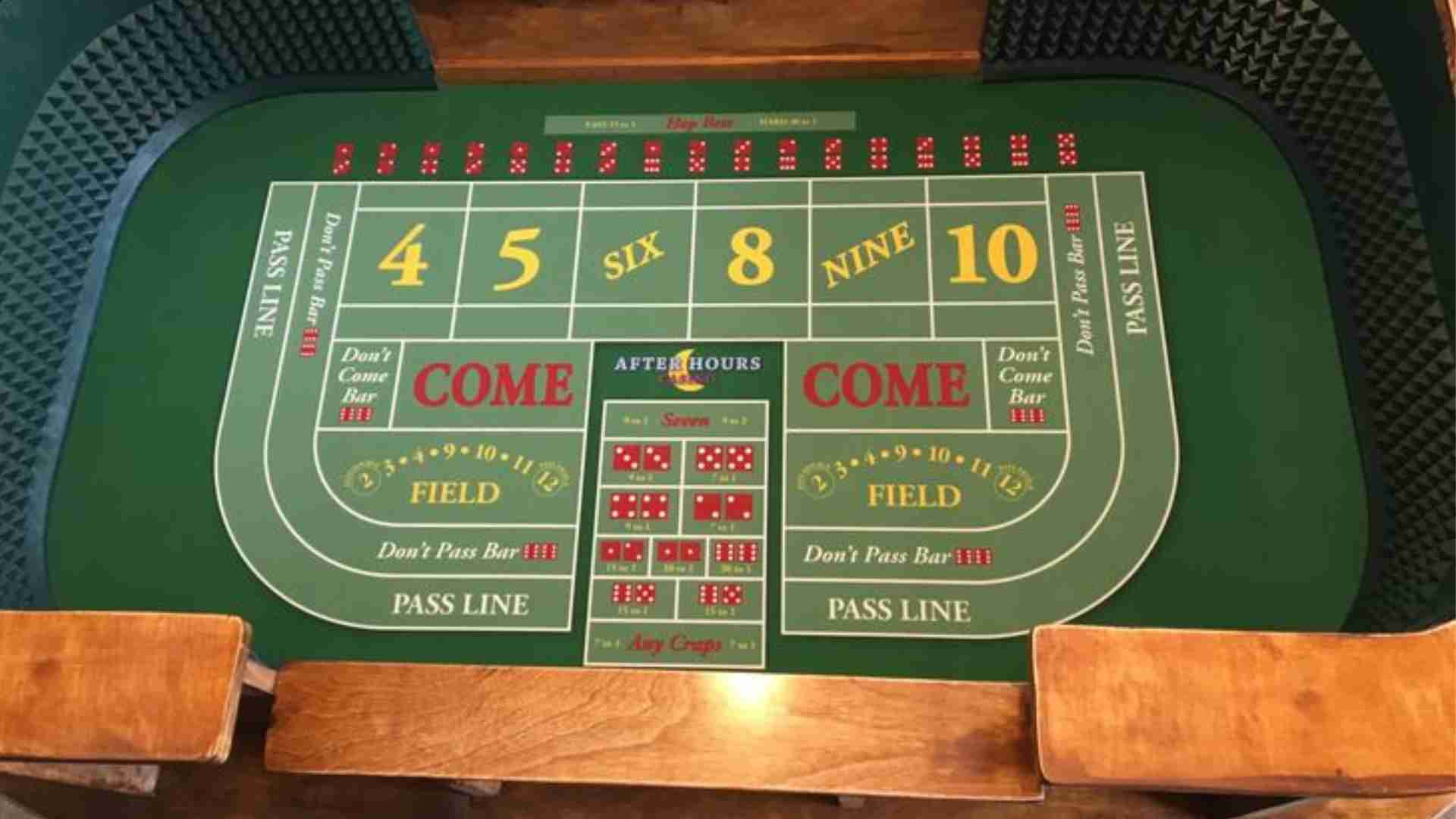
The transition of card games into streamlined corporate configurations has undoubtedly increased efficiency and global accessibility. However, the loss of direct player accountability and rotating banking privileges has left a nostalgic void that historical documentation fills. Researchers frequently look back at kidney-shaped wooden tables to understand how community bonds were forged through gaming rituals.
Uncovering these vintage customs reminds society that tabletop entertainment was originally structured as a collaborative social event rather than an isolated pursuit. The enduring curiosity surrounding early baccarat rules highlights a universal fascination with how human behavior reacts to shared risk. By studying these ancestral systems, modern players gain a sophisticated perspective on the cultural evolution of global casino traditions.

What Makes A Spinner Game Easy To Understand But Hard To Forget ...
Spinner games possess a rare quality in modern interactive entertainment by offering immediate comprehension alongside lasting cognitive resonance. Players of all skill levels can instantly grasp the core mechanics without digesting lengthy manuals or complex tutorials. Yet, despite this extreme simplicity, the psychological footprint left by a single spinning wheel often lingers far longer than more intricate digital experiences.
The Power of Immediate Visual Intuition
The primary reason spinner games are effortless to understand lies in their universal visual design. A circular board divided into clear segments provides instant spatial context about choices and probabilities. Players instinctively recognize that a larger section offers better odds, removing the need for mathematical calculations.
This intuitive layout eliminates the cognitive barrier that typically deters casual participants. Anyone can step up and interact with the game within seconds of seeing it for the first time. The absence of complicated rules allows players to focus entirely on the experience rather than the system.
Building Tension Through Gradual Deceleration
While the mechanics are simple, the psychological hook comes from the physical physics of the deceleration sequence. As the wheel loses momentum, human attention naturally locks onto the slowing pointer. This gradual transition creates a distinct window of anticipation that heightens emotional engagement.
The rhythmic sound of the ticker passing over individual pegs adds an important auditory dimension to the suspense. Each click signals a potential outcome, forcing the brain to continuously calculate micro-probabilities in real time. This dynamic tension turns a basic decision process into a memorable visual event.
The Memory Retention of Unpredictable Outcomes
Human memory is uniquely attuned to unexpected events and emotional spikes rather than static routines. Because a spinner outcome remains uncertain until the final click, the brain registers the resolution as a novel experience. Near-misses, where the pointer stops just short of a major reward, leave a particularly deep impression on the mind.
Many modern platforms, such as those featured on wd boss slot, utilize clear probabilistic feedback loops to create engaging digital environments. These dynamic interactions help maintain user interest through transparent visual cues and sudden turns of luck. The resulting combination of surprise and clarity makes the overall session stand out in memory.
Striking the Ideal Balance in Game Design
Creating an enduring spinner game requires balancing minimalist rules with rich visual and audio feedback. Designers focus on perfecting the friction and rotation duration to ensure every spin feels authentic and dramatic. When the visual rhythm feels natural, players remain emotionally invested from start to finish.
Ultimately, the longevity of the spinner format lies in its ability to deliver maximum emotional payoff with minimal complexity. By removing mechanical friction, developers allow pure anticipation to take center stage. This unique harmony between instant accessibility and dramatic resolution ensures that simple spinning games remain genuinely unforgettable.

What Is An Extraction Game ...
The modern multiplayer landscape is experiencing a massive shift as players look for experiences beyond traditional battle royales and standard deathmatches. A unique genre has captured the attention of millions by combining intense survival mechanics, tactical positioning, and high-stakes financial risk. Understanding this style of gameplay reveals why it has become the new frontier for competitive virtual ecosystems.
The Fundamental Gameplay Loop
At its core, an extraction experience revolves around a relatively straightforward loop of deployment, scavenging, and survival. Players enter a dangerous map with a specific set of gear, search for valuable items, and attempt to reach a designated exit point before time runs out. The defining characteristic of these titles is that failing to survive means losing everything you carried into the match.
This persistent threat of permanent asset loss creates an unparalleled level of tension during every single encounter. Unlike traditional shooter environments where death is a minor setback, every mistake here has a tangible cost that impacts your overall inventory. Navigating these environments requires an ongoing evaluation of risk versus reward as you balance the desire for more loot against the safety of an early departure.
The Convergence of PvP and PvE Elements
These experiences seamlessly blend player-versus-player and player-versus-environment mechanics into a single cohesive ecosystem. The virtual world is populated by both hostile computer-controlled factions and rival human teams chasing the exact same resources. This multi-layered threat dynamic means that combat is rarely predictable and danger can emerge from any corner.
The presence of computer-controlled enemies serves as both a barrier to high-tier gear and a sensory trigger that alerts nearby human squads to your location. Engaging in a loud firefight might secure temporary resources, but the noise frequently attracts opportunistic hunters looking for an easy ambush. Successful players often prioritize stealth and spatial awareness over raw shooting accuracy to ensure survival.
Economy Management and Progression Systems
Beyond the immediate action on the battlefield, a massive portion of the long-term appeal rests in the deep menu systems and player-driven marketplaces. The valuable items retrieved during a successful run are transferred directly to a persistent inventory management area. This home base allows you to upgrade your capabilities, purchase advanced weaponry, and prepare for subsequent deployments.
Managing this personal vault is just as crucial as surviving the tactical maps themselves. A series of poor deployments can completely drain your resource reserves, forcing you to adjust your strategic approach for future matches. This economic layer adds a profound sense of purpose to every successful escape, turning digital debris into valuable progression capital.
Strategic Depth and Tactical Decision Making
Victory in this space is rarely defined by eliminating every opponent on the map, shifting the traditional definition of competitive success. Your primary objective is simply survival, which allows for an incredible diversity of playstyles and personal goals. Players can choose to avoid conflict entirely, focus on completing specific quests, or hunt down elite players for their expensive equipment.
This freedom of choice transforms each deployment into a unique tactical narrative driven by personal risk management. The psychological pressure builds steadily as you move closer to the final exit point with a backpack full of premium gear. Learning how to master these high-stakes scenarios explains why the community remains deeply invested in the evolution of this compelling interactive genre.

How Sleep And Recovery Influence Poker Judgment ...
Poker is a high-stakes mental discipline where logical evaluation and cognitive stamina dictate long-term success. While tactical study and hand analysis remain critical, physical rest plays an equally essential role in maintaining sharp decision-making capabilities. Understanding how sleep deprivation alters risk tolerance and cognitive clarity helps players protect their edge during demanding gaming sessions.
The Direct Impact of Fatigue on Risk Evaluation
When the brain lacks sufficient recovery, prefrontal cortex functions begin to decline significantly. This cognitive fatigue hinders a player's ability to calculate pot odds accurately and assess opponent ranges under pressure. As mental exhaustion sets in, players tend to favor impulsive decisions over disciplined, analytical play.
Fatigue also alters emotional regulation, making competitors far more susceptible to tilt after experiencing a bad beat. Rested minds process unexpected financial losses as variance, whereas tired minds often interpret them as personal setbacks. Maintaining proper sleep schedules prevents these emotional shifts from destroying weeks of consistent effort.
Cognitive Endurance in Extended Tournament Play
Multi-day tournaments and long cash sessions test a competitor's psychological resilience as much as their strategic knowledge. Without structured physical recovery, mental processing speed slows down over extended hours at the table. Minor details, such as subtle betting timing or physical tells, become increasingly difficult to notice.
Many serious enthusiasts follow athletic recovery principles and study analytical strategy through platforms such as m88 sport to build sustainable competitive discipline. Peak cognitive endurance ensures that a player's late-game decisions match the quality of their early-session strategy. Consistent physical rest remains the most reliable method for preserving sharp concentration during late-stage tournament play.
Restoring Working Memory for Complex Game Theory
Advanced poker strategy relies heavily on working memory to track table dynamics, image perceptions, and past hand histories. Chronic sleep deprivation reduces short-term memory capacity, causing players to forget critical behavioral patterns displayed by their opponents. This information deficit leads to generalized play rather than targeted, opponent-specific exploitation.
Deep, uninterrupted sleep consolidates memories and clears metabolic waste from brain tissues accumulated during long mental exertion. By prioritizing adequate nightly rest, players retain complex strategic concepts and apply them fluidly during high-pressure situations. A well-rested brain effortlessly connects theoretical knowledge with real-time tactical execution.
Building a Sustainable Recovery Routine for High Performance
Establishing an effective recovery routine requires viewing poker performance through the lens of cognitive athletics. Setting strict time limits on late-night sessions prevents severe circadian rhythm disruptions that harm overall well-being. Additionally, incorporating passive downtime and light physical activity aids in lowering elevated cortisol levels after stressful games.
Prioritizing quality sleep transforms a casual player into a resilient strategist capable of handling long-term variance. Sustainable success at the felt is ultimately built on the foundation of physical recovery and mental balance. Treating rest as an active part of strategic preparation guarantees better judgment when every chip counts.

Grandmaster Wolven Armor Location in The Witcher 3 ...
Mastering your gear progression in The Witcher 3 Wild Hunt requires a journey into the sun-drenched region of Toussaint, where the finest blacksmithing secrets await discovery. For players who favor the versatile combat style of the Wolf School, tracking down the Grandmaster Wolven gear represents the pinnacle of character optimization. This endgame armor set not only enhances tactical flexibility but also significantly boosts your adrenaline gains and sign intensity during intense encounters.
Starting the Grandmaster Scavenger Hunt
Before you can begin searching for the physical diagrams, you must officially activate the quest by visiting Beauclair. Locate the master craftsman Lazare Lafargue in his workshop situated within the southern portion of the city. Speaking with him will reveal the background of the missing witcher smiths and unlock the map markers necessary to locate the legendary Wolf School diagrams.
Unlike previous tiers of armor upgrades, the grandmaster level requires you to find all six pieces across specific hidden locations within the duchy. Obtaining these schematics will allow you to craft the complete set once you gather the necessary rare materials. Ensuring you have a healthy supply of crowns will also assist you greatly before undertaking the physical crafting process.
Exploring the Archaeologist Camp Ruins
The entire collection of Grandmaster Wolven diagrams is hidden together within a singular, complex location inside Toussaint. Direct your journey toward the eastern part of the map, specifically targeting the campsite ruins located beneath a prominent cliffside. This area was once an active excavation site but has since been abandoned due to sudden monster infestations and structural collapses.
Upon arriving at the designated ruins, you must navigate through a narrow entrance to access the subterranean chambers below. Use your Witcher Senses to carefully inspect the environment for clues left behind by the original exploration team. You will eventually discover a small, hidden chest tucked away under some rubble containing the complete set of diagrams.
Crafting the Legendary Wolf School Set
Once you have secured all six diagrams from the excavation site, return directly to Lazare Lafargue in Beauclair to initiate the crafting phase. You do not need the Mastercrafted version of the Wolf armor to forge this specific grandmaster set, which offers a unique shortcut compared to other school gear. This mechanical change makes completing the collection much more accessible for players exploring the Blood and Wine expansion.
The required components include rare items such as Infused Slyzard Hide and Enriched Dimeritium Plates, which can be crafted or purchased directly from the smith. Equipping at least three pieces of the set unlocks a special bonus that allows you to apply multiple oils to your blades simultaneously. Wearing all six pieces increases your bomb throwing speed and precision, transforming Geralt into an incredibly versatile force on the battlefield.

How To Improve Your Suit Management In Bridge ...
Mastering suit management in contract bridge is essential for declarers and defenders aiming to maximize their trick-taking potential. By carefully analyzing suit length, card honor combinations, and entry paths across both hands, players can consistently make smarter strategic choices at the table. Developing a structured approach to handling complex suits allows you to maintain control throughout the entire match.
Analyzing Suit Quality and Honor Sequences
Before launching an attack in a specific suit, you must evaluate the honors and supporting spot cards available in both your hand and the dummy. Sequential holdings like King-Queen-Jack allow for aggressive leads that force out opponent Aces without surrendering long-term suit control. Recognizing when a suit requires finessing rather than raw power prevents costly trick losses early in the play.
Proper suit management relies heavily on identifying high-card strength alongside suit distribution. When you hold length without high honors, ducking an early trick often helps establish long-suit winners for later rounds. Players looking for digital gaming spaces to practice decision-making skills under pressure can access an m88 casino login portal to test their strategic discipline. Evaluating all four suits during trick one sets the foundation for a successful contract strategy.
Preserving Vital Entries for Long Suits
Establishing a long suit is useless if you lack the entries required to reach those established winners later in the game. Careful declarers carefully map out entry cards in both hands before playing a single card to trick one. Unblocking high cards from the shorter hand early on guarantees smooth communication between the hand and dummy.
When entries are scarce, managing suit order becomes the defining factor between making or failing a contract. Overtaking an honor or discarding obstructive cards helps create flexible passage across both sides of the table. Protecting key entries in side suits ensures that your long suit pays off when opponent trumps are cleared.
Handling Trump Suit Control and Distribution
Managing the trump suit requires balancing the need to draw opponent trumps with the necessity of maintaining control over side suits. Drawing trumps immediately prevents defenders from ruffing your high-card winners in outside suits. However, delaying trump pulls is sometimes necessary if you need dummy's trumps to ruff losing cards first.
Recognizing bad distribution splits early allows you to adapt your trump management strategy before running out of power. Counting opponent spot cards during each trick provides crucial clues about remaining suit distribution across the table. Maintaining careful control over the trump suit keeps the tempo firmly in your favor until the final tricks.
Defensive Coordination and Suit Attacks
From a defender's perspective, effective suit management involves signaling partner about suit length and honor holdings. Opening leads against suit contracts should focus on establishing tricks quickly before declarer discards losers. Using standard signaling conventions ensures both defenders work toward a unified strategy to defeat the contract.
Defenders must also remain cautious not to setup declarer's weak suits through hasty leads. Switching suits at the right moment can cut off declarer's communications and starve them of entries. Masterful suit defense requires patience, active counting, and seamless cooperation with your partner.

The Art Of Timing Runs In Football ...
In the highly tactical landscape of modern football, a player's ability to manipulate space without the ball is often more valuable than raw physical speed. Striking the perfect balance between starting a sprint and waiting for a teammate's pass requires immense concentration and spatial awareness. When an attacking player masters this synchronization, they can easily dismantle even the most organized defensive lines.
Beating the Modern Offside Trap
Defensive units today are highly disciplined, frequently moving together as a singular block to catch eager forwards offside. To counteract this strategy, attackers must learn to run parallel to the backline before making their decisive forward surge. This lateral movement allows the player to maintain high velocity while staying completely level with the last defender.
Understanding the body shape of the opposing defenders is crucial during this transition phase. If a defender turns their back or drops their hips, it signals the perfect vulnerability to exploit. If you are looking for fresh tactical breakdowns and comprehensive football coverage, you can explore yuksports to improve your understanding of the game.
The Critical Role of the Passer
A perfectly executed run is only half of the equation, as it relies heavily on the vision and technical execution of the playmaker. The passer must calculate the trajectory and speed of the ball to meet the attacker exactly in stride. Misjudging this delivery by a fraction of a second will either result in an intercepted pass or an offside whistle.
Great partnerships develop over long training sessions where teammates learn to read each other's subtle physical cues. An attacker might use a quick hand gesture or a sudden change in posture to indicate their readiness to break forward. When this telepathic connection functions correctly, teams can transition from defense to attack in a single fluid motion.
Exploiting the Blind Side of Defenders
One of the most effective techniques used by elite forwards is positioning themselves directly behind the defender's field of vision. By occupying this blind spot, the attacker forces the opponent to constantly turn their head to check positions. This subtle distraction creates a split second of hesitation that the forward can instantly exploit.
When the pass is finally triggered, the attacker moves across the defender's back before they can physically adjust their stance. This movement makes it incredibly difficult for the backline to recover without committing a dangerous foul inside the penalty box. Developing this cognitive sharpness allows smaller or slower forwards to consistently outmaneuver physically imposing opponents.
The Strategic Value of Deceptive Movements
Mastering this craft also involves the clever use of decoy runs to create space for other attacking teammates. A sharp darting run toward the near post can drag multiple defenders away from their original zones, leaving the back area completely exposed. Even if the primary runner never receives the ball, their movement dictates the entire structure of the play.
Varying the types of runs throughout ninety minutes keeps the opposing defensive line constantly guessing and exhausted. Forwards must balance straight line sprints with sudden diagonal cuts to disrupt the zonal marking systems of modern teams. Ultimately, patience and cognitive sharpness remain the defining traits of players who master this beautiful aspect of football.

Chasing the Truth Mission Guide in GTA 5 ...
Grand Theft Auto 5 features a vast array of unique side quests, but few are as bizarre and engaging as the Epsilon Program storyline. Michael De Santa can join this strange cult to complete several satirical assignments across San Andreas. Among these encounters, the mission titled Chasing the Truth stands out for its absurd objectives and humorous dialogue.
Unlocking the Chasing the Truth Mission
Before you can begin this specific task, you must complete the earlier Epsilon quests as Michael. Completing these prerequisite steps ensures the Epsilon icon appears in Grapeseed on your world map. Visiting this location triggers the encounter with fellow cult members Marnie and Jimmy Boston.
If the mission marker fails to appear immediately, try taking a brief nap at Michael's home to advance in-game time. Alternatively, traveling around the map or switching between characters can force the game script to refresh properly. Once the blue question mark or Epsilon symbol appears near the countryside, you are ready to proceed.
Using the Detector Device
During the opening cutscene, Marnie hands Michael an extraterrestrial detector, which functions like a high-tech metal detector. Your objective is to sweep the designated search area to locate alien artifacts scattered in the grass. Holding the device changes the camera angle and displays a small signal meter on the screen.
To locate the items efficiently, sweep the device slowly from side to side while watching the screen indicators. The device flashes faster and beeps more rapidly as you get closer to a target. Following the strongest signal leads Michael directly to the hidden objects.
Locating the Alien Artifacts
Michael must discover three specific items scattered around the field to satisfy his Epsilon guides. The first object is a TV remote control lying on the ground near a small shrub. The second item turns out to be an ordinary car battery hidden near a wooden structure.
The final item needed to finish the search is a boot resting near the edge of the search perimeter. Finding all three items triggers the concluding dialogue where Jimmy and Marnie demand a large financial donation. Paying the required fee finishes the mission and unlocks the next stage of the cult storyline.
Tips for Smooth Mission Progression
Completing this quest requires patience because walking with the detector activated slows Michael down considerably. Avoid running out of the search boundary, as doing so temporarily resets your progress. Staying within the marked zone ensures you do not miss any audio or visual cues from the detector.
Keep a healthy supply of funds in Michael's bank account before starting any Epsilon storyline missions. The cult repeatedly requires substantial cash transfers to unlock subsequent objectives. Having enough money ready allows you to progress through the entire questline without unexpected interruptions.
Semua artikel sudah ditampilkan.